
Services
Species identification, Pathogen Detection & Resistance Monitoring in disease vectors
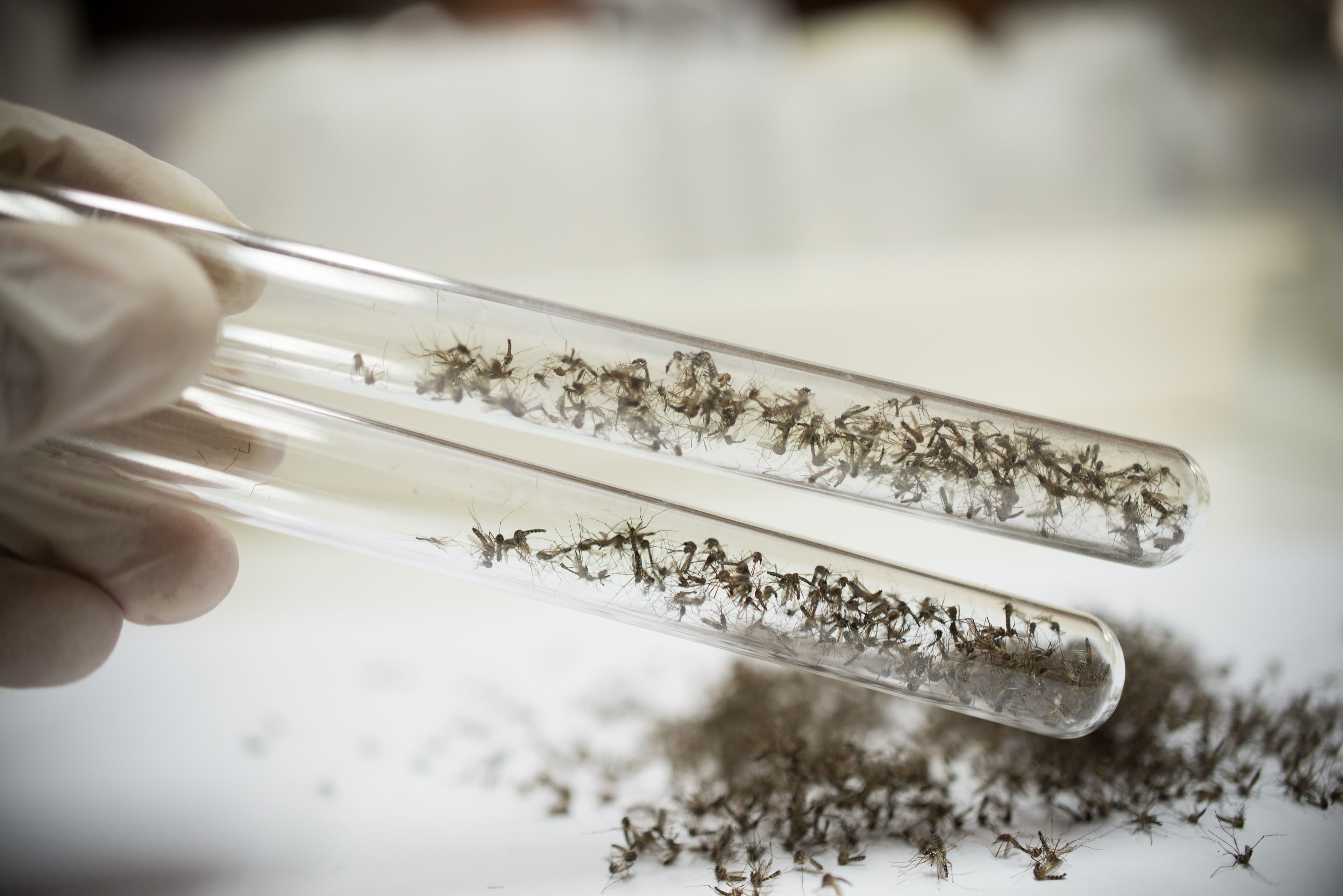
Our laboratory conducts analyses that support the entomological and epidemiological surveillance of vector-borne diseases, as well as mosquito control programs. Field-collected mosquito samples are examined for:
A) Population composition, through morphological and molecular species identification;
B) Pathogen detection, including Plasmodium and arboviruses, using molecular methods; and
C) Insecticide resistance mechanisms, such as resistance-associated mutations and detoxification enzymes.
In addition, the laboratory performs quality control of spraying applications and maintains updates to the “VectorMap-GR” surveillance database.
Insecticide resistance monitoring in agricultural pests
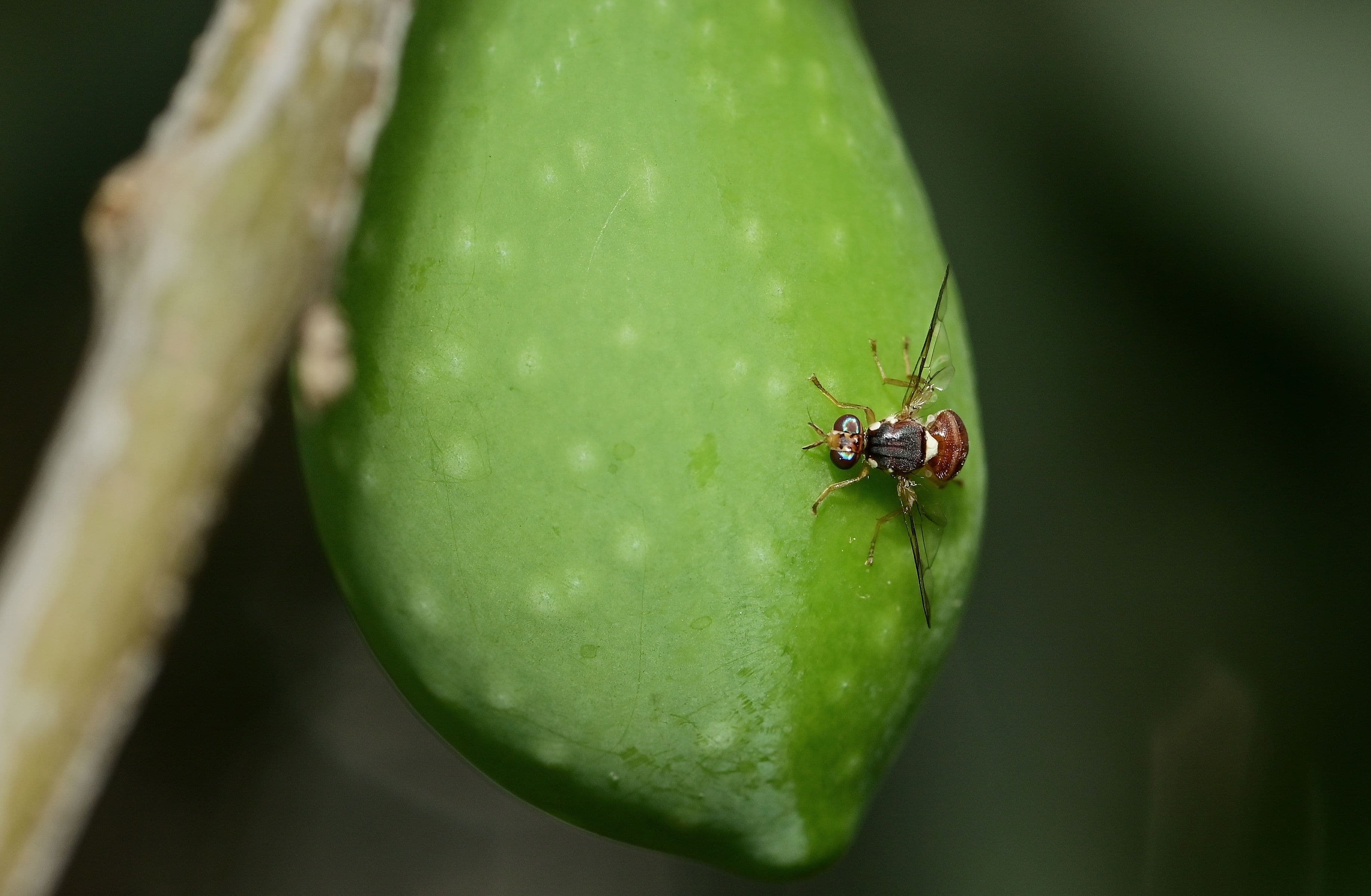
Monitoring of resistance to insecticides is carried out through toxicity bioassays (diagnostic dose and dose–response assays) and diagnostic methods for detecting resistance mechanisms (resistance mutations, detoxification enzymes) in a variety of agricultural pests including olive fruit flies, Tetranychous urticae, Bemisia tabaci, Varroa destructor and different spodoptera species. The data for the olive fruit fly insecticide resistance status are recorded annually and utilized through the “Galanthos” online platform for national resistance monitoring and for supporting the olive fruit fly control programs.
Bee Toxicity Testing
Systematic evaluation of the toxic effects of plant protection products and biopesticides on honey bees is carried out through standardized laboratory and semi‑field toxicity bioassays (acute and chronic exposure through contact and oral tests), as well as complementary assessments of sublethal effects. The resulting data are used to characterize the risk of active substances and formulations to bees and to support the development and application of bee‑safe, low‑risk plant protection solutions.